
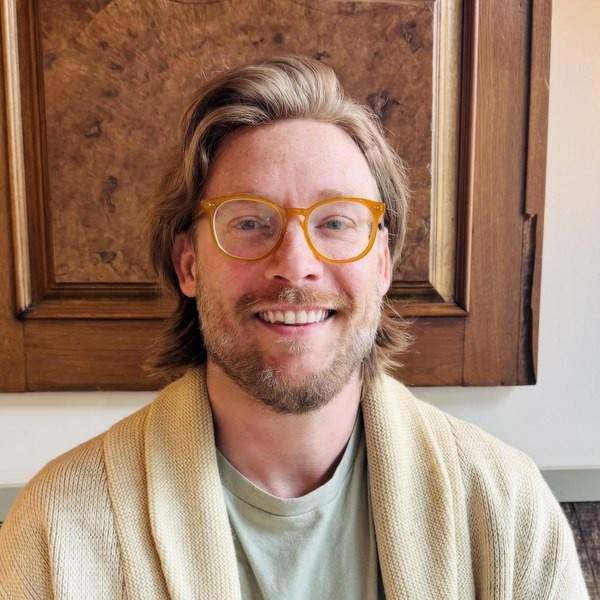
I work with graduate students, academics, and creative professionals navigating self-doubt, perfectionism, procrastination, and a loss of meaning in work that once felt important. I also work with the relational and attachment patterns that often accompany these concerns: fear of rejection, avoidant coping, and a sense of security organized around performance and outcomes.
My work with this population is shaped by years spent inside academia as a researcher, teacher, and clinician. I hold a PhD in philosophy and have taught college for over a decade. I've worked clinically in university, hospital, and individual settings with graduate students across the humanities, creative arts, social sciences, physical sciences, and engineering.
Much of what makes academic and creative life painful goes beyond the workload: it is about older patterns that this kind of life is unusually skilled at bringing to the surface. I draw from a psychodynamic and relational approach, which means I give attention to how memories of past experience continue to shape our present patterns of relating to ourselves and others. In therapy, we work together to uncover and reauthor these patterns, freeing up new possibilities in how we think, feel, and engage with ourselves and the world.
To help transform insight into creative change, I also help clients incorporate experiential and somatic strategies — including techniques from EMDR, parts work, ACT, DBT, and Gestalt — that address the role of the body and implicit memory in emotion, attachment, and trauma. My style is authentic and warm, and I work with clients to enrich therapy with diverse sources of meaning and lived experience — including art, culture, storytelling, politics, philosophy, and humor.
I work with graduate students, academics, and creatives in person and via telehealth through Clinical Alliance Services in Cambridge, MA. Prospective clients can inquire through my profile on Psychology Today.